

TQ strengthens robotics division with additional product manager
TQ-Systems, known for its embedded vision modules, is expanding its robotics division by hiring cobot expert Dirk Thamm. He comes from a subsidiary of robot manufacturer Kuka.
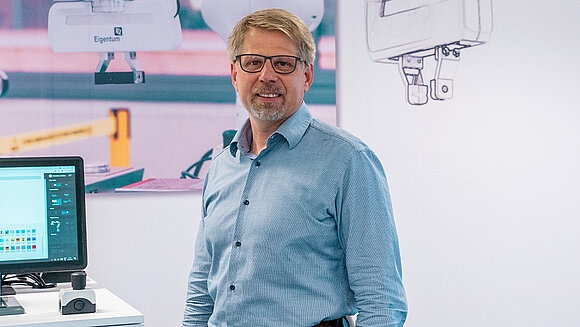
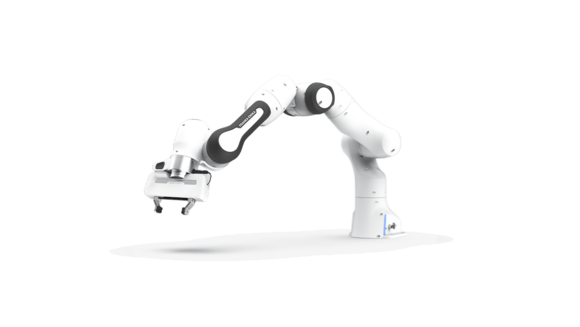
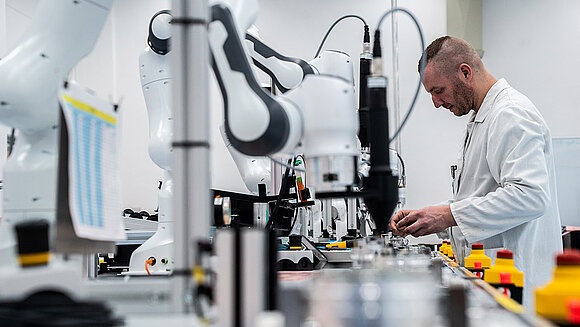
Dirk Thamm, who holds a degree in mechanical and production engineering, has made a name for himself as a robotics expert for many years. At Faude, a subsidiary of Kuka, he was most recently the managing director responsible for automation technology, as well as a cobot system integrator responsible for implementing application solutions with universal robots. Dirk Thamm started his professional career at Festo, where he headed the Handling - Robotics and Automation division, among others.
"Collaborative robotics will be a gamechanger for production in Germany," Thamm is certain. After all, he says, only automation can preserve local jobs. "However, automation plans often fail because of the cost of large robots and the lack of robot specialists," he adds, especially in small and medium-sized companies. This is where cobots come in useful, he says, because they can be put into operation in a day, even without robot specialists. That's why he's convinced: "In the next ten years, every company producing in Germany will have at least one robot."
Company
TQ-Systems GmbHMühlstr. 2, Gut Delling
82229 Seefeld
Germany


most read

Vision Components Celebrates 30 Years of Machine Vision with an Anniversary Event at Vision 2026
Vision Components is celebrating 30 years in business. At Vision 2026, the manufacturer is hosting an anniversary celebration featuring an exhibition, live music, and new products.
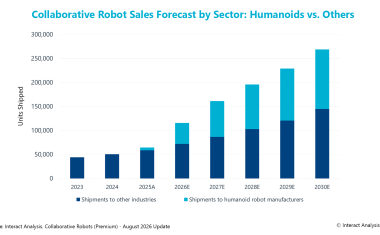
Humanoid robotics is driving demand for cobot arms and actuators
According to recent analyses, global production of humanoid robots exceeded the 20,000-unit mark in 2025 and is expected to more than triple in 2026.
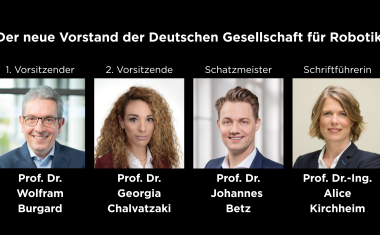
German Society for Robotics Elects First Regular Board of Directors Under Wolfram Burgard
The German Society for Robotics has elected its first regular board of directors. Starting in October, Wolfram Burgard will assume the presidency of the young professional society.

Solid-State Transformers for AI Data Centers
As part of a strategic partnership, Siemens and Reinhausen are developing a solid-state transformer for AI data centers with an 800-volt DC system.

European machine vision expects slight recovery and growth in 2026
According to the VDMA Machine Vision department, sales are expected to increase by around 3%, following a decline of 2% in 2025.